
It's one of the most common questions we get from first-time visitors to the Smokies: "Will I actually see a bear?"
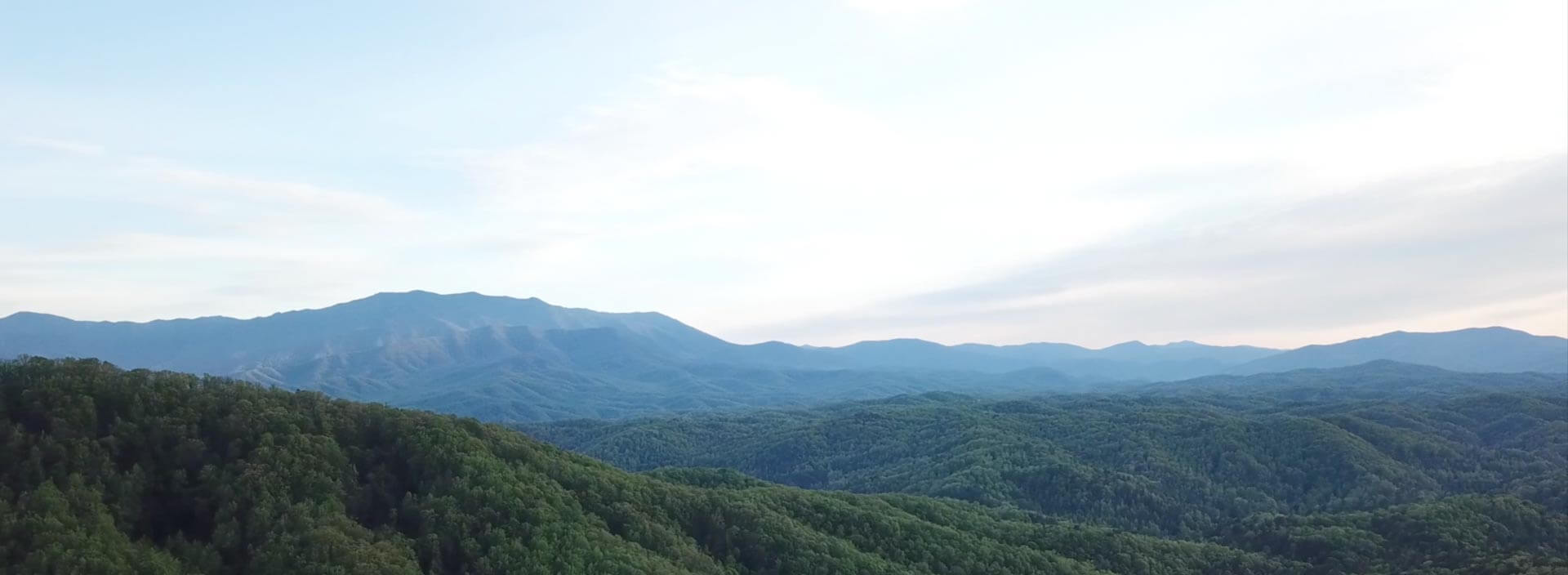
The answer is: maybe — and that's part of what makes a Gatlinburg cabin stay so special. The Great Smoky Mountains National Park is home to approximately 1,900 black bears, which works out to roughly two bears per square mile. You're staying in their backyard, and sightings — while never guaranteed — are genuinely common, especially if you know when and where to look.
Here's everything you need to know: what to expect, how to stay safe, and where to go if you want to maximize your chances of a sighting.
How Likely Is It to See a Bear at Your Cabin?
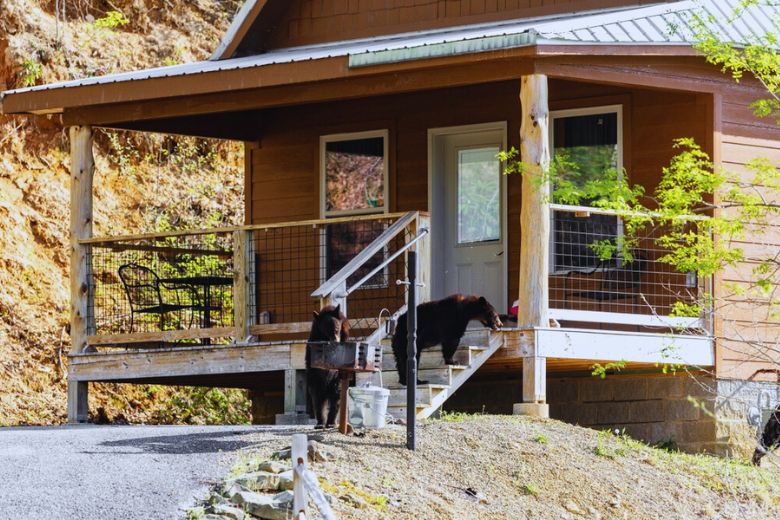
More likely than you might think — but not a sure thing. Bears do occasionally wander through cabin communities, especially those close to the National Park or tucked into wooded hillsides. Several of our guests have mentioned spotting bears from their decks or in the woods just behind their cabins. It's one of those moments that tends to make the whole trip.
That said, bears aren't roaming through every cabin yard every night. They're wild animals with their own routines, and their movements depend heavily on the season, food availability, and how much human activity is nearby.
What affects your chances:
- Proximity to the park — Cabins closer to Great Smoky Mountains National Park, particularly in areas like Chalet Village or Cobbly Nob, tend to have more frequent bear activity
- Time of year — Spring through early fall is prime season; bears are largely inactive in their dens from late November through March
- Time of day — Bears are most active in the two hours after sunrise and the two hours before sunset. Midday sightings are less common
- Food sources nearby — Bears follow their nose. Cabins with unsecured trash, bird feeders, or food left outside can attract them
Bear Safety at Your Cabin: What You Need to Know
Seeing a bear from the safety of your cabin deck is a thrill. An up-close encounter on foot is a different matter. Here's how to keep yourself, your family, and the bears safe.
Keep food and trash secured. This is the single most important rule. Bears have an extraordinary sense of smell — far more powerful than a dog's — and an unsecured trash can or cooler left on the porch is an open invitation. Always store food inside the cabin, dispose of trash in bear-resistant receptacles, and never leave anything edible in your vehicle overnight.
Never feed bears — ever. It seems harmless in the moment, but feeding bears causes serious long-term harm. Bears that associate humans with food lose their natural wariness, become increasingly bold, and often have to be euthanized as a result. It's also illegal in the National Park and can result in significant fines.
Lock your doors and windows. Yes, bears can open car doors and unlocked cabin doors. This is not a myth. Keep all entry points locked, especially if you'll be away from the cabin.
Keep pets inside or on a leash. Dogs can agitate bears and provoke a reaction. If you're traveling with a pet, be mindful of this — especially at dawn and dusk when bears are most active. For pet-friendly cabin options, see our pet-friendly cabin rentals.
If a bear approaches: Don't run. Stand your ground, make yourself look as large as possible, shout loudly, and back away slowly. Black bears are typically shy and will retreat when startled. Running triggers a chase instinct.
Maintain safe distance. Federal regulations require staying at least 50 yards (150 feet) from bears at all times in the National Park. Approaching closer — even for a photo — is illegal and dangerous.
The Best Places to See Bears in the Smokies
If spotting a bear is on your bucket list, don't leave it to chance at the cabin. These are the most reliable locations in the area.
Cades Cove — The undisputed #1 bear-watching spot in the Smokies. Unlike the densely forested areas of the park, Cades Cove is an open valley with wide meadows, making it far easier to spot wildlife. Bears are frequently seen in the fields, especially during late summer berry season. The 11-mile loop road lets you search from the comfort of your vehicle. Allow 2–4 hours and go early — traffic can be heavy midday.
Roaring Fork Motor Nature Trail — A 5.5-mile one-way scenic loop just minutes from downtown Gatlinburg. The dense forest and abundant food sources (nuts, berries, acorns) make it a bear highway. Drive slowly, keep your windows down, and watch the tree line. This is also an area where bears have been known to cross directly in front of vehicles.
Newfound Gap Road (US-441) — The main road through the park connecting Gatlinburg to Cherokee, NC. Bears are sometimes spotted crossing the road or browsing on hillsides, particularly in the early morning hours.
Ober Gatlinburg Wildlife Habitat — If you want a guaranteed bear sighting, head to the wildlife habitat at Ober Mountain in Gatlinburg. This wildlife encounter features a resident black bear family in a safe, enclosed habitat. Perfect for families with young children who want a close-up look without the unpredictability of the wild.
Cataloochee Valley — A longer drive (about 2 hours from Gatlinburg on the North Carolina side of the park), but Cataloochee is one of the most pristine and wildlife-rich valleys in the entire Smokies. In addition to bears, it's one of the only places in the region where you can see elk.
When Is the Best Time of Year to See Bears?
Spring (March–May): Bears emerge from their dens hungry and active. Mothers with cubs are visible as the cubs (born in January) explore their surroundings for the first time. One of the most magical times to visit.
Summer (June–August): Peak sighting season. Bears are active and searching for food before the fall feeding frenzy. Cades Cove and Roaring Fork are particularly productive.
Fall (September–October): Bears enter hyperphagia — an intense feeding period before denning — and can be seen foraging for acorns, berries, and other food sources almost constantly. Fall foliage season coincides with some of the best bear activity of the year.
Winter (November–March): Bears den up (they don't fully hibernate but enter a deep torpor). Sightings are rare, though adult males and non-pregnant females may be spotted during unusually warm spells.
For a detailed month-by-month breakdown, see our full guide: The Best Time to Spot Bears in Gatlinburg.
Frequently Asked Questions
Are Smoky Mountain black bears dangerous? Black bears are wild animals and should always be treated with respect, but unprovoked attacks on humans are extremely rare. The vast majority of bears in the Smokies will avoid humans when given the chance. The risk increases significantly when bears have been food-conditioned (fed by humans) or when people approach too closely. Follow the safety guidelines above and the odds of a negative encounter are very low.
What should I do if a bear gets on my cabin porch? Stay inside. Make loud noises from a window or door to scare it off — banging pots, shouting, or using an air horn. Do not approach the bear or try to feed it. If it won't leave, contact the local wildlife authorities. Remove whatever attracted it (trash, food, bird feeders) before it returns.
Can I take photos of bears? Yes, from a safe distance. Use a zoom lens or your phone's zoom function. The 50-yard rule applies everywhere in the National Park. A bear selfie isn't worth it — and it's illegal.
Will bears bother my pets at the cabin? Dogs can attract or agitate bears, particularly if they bark. Keep pets inside at dawn and dusk, and always supervise them outdoors. Check out our pet-friendly cabin rentals for cabins that welcome your four-legged family members.
Do I need bear spray in Gatlinburg? Bear spray is legal in the Smokies and recommended for backcountry overnight hikes. For typical cabin stays and day hikes on popular trails, it's less commonly used but never a bad idea to have on hand.
Stay Where the Wildlife Finds You
Some of our most memorable guest reviews mention bear sightings right from the cabin deck — morning coffee in hand, watching a bear amble through the tree line below. It's the kind of moment that reminds you why people keep coming back to the Smokies year after year.
Browse Gatlinburg Cabin Rentals → | Browse Cabins Near the National Park →