
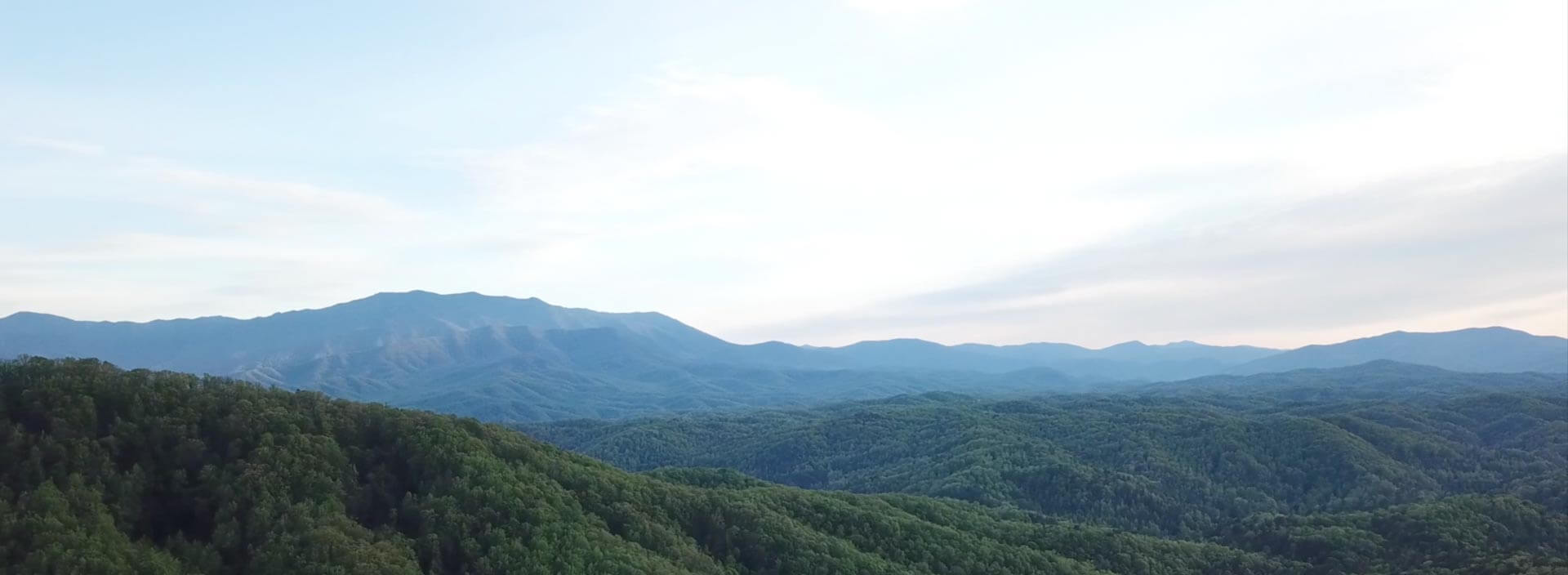
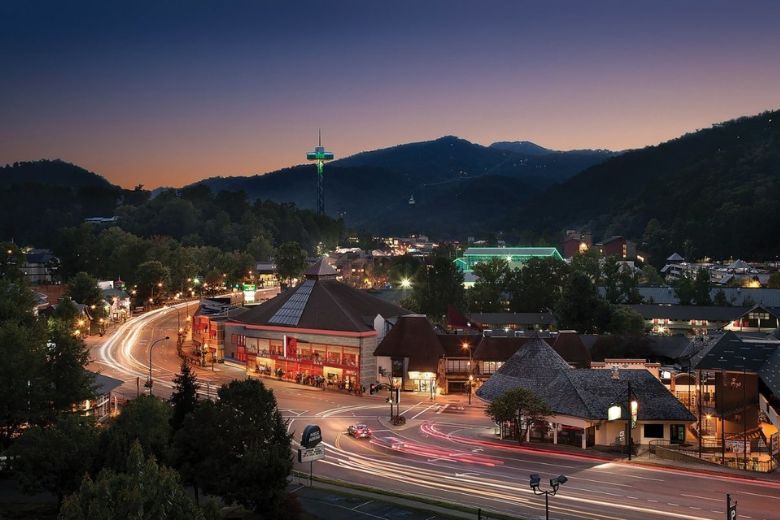
Summer is Gatlinburg's peak season — and for good reason. The Smoky Mountains are at their lushest, the waterfalls are running full, the trails are clear, and the entire region buzzes with energy from mid-June through August. But summer weather in the Smokies has a personality of its own, and knowing what to expect makes for a dramatically better trip.
Here's a complete month-by-month breakdown of Gatlinburg summer weather, what to pack, how to beat the heat, and what to do when the afternoon thunderstorms roll in.
June in Gatlinburg
June brings the first true touch of summer to Gatlinburg with an average high temperature of 81°F. The sun spends maximum hours in the sky, leading to warm afternoons, yet humidity levels are more bearable than the peak summer months, preventing major discomfort.
June is actually the sunniest month of the year in Gatlinburg, averaging 9.7 hours of sunshine per day — meaning long, light-filled days with plenty of time for outdoor adventures before the afternoon heat builds. Morning temperatures average a comfortable 55–65°F, perfect for hiking before the heat of the day arrives.
The heat index in June reaches approximately 86°F at peak afternoon hours — warmer than the thermometer suggests thanks to humidity. Plan outdoor activities for the morning and early afternoon, and save indoor attractions for the hottest part of the day.
June highlights:
- Best month for firefly viewing in the Smokies — synchronized fireflies peak in late May through mid-June at Elkmont Campground (ticketed lottery required)
- Wildflowers still blooming at higher elevations
- Mermaid shows begin at Ripley's Aquarium of the Smokies
- School is still in session early June — slightly lower crowds before the summer rush
July in Gatlinburg
July is the warmest and wettest month of the Gatlinburg summer. The warmest period of the year, with temperatures fluctuating between an average high of 83.7°F and a low of 60.8°F. The average heat index in July reaches 91.4°F — ensure additional precautions in the heat.
That heat index number is important. On a typical July afternoon, the combination of 84°F air temperature and 76% relative humidity makes it feel like 91°F or higher. Plan accordingly — mornings are your outdoor window, afternoons are for indoor attractions or the pool.
July is the month with the most rainfall, with rain falling on approximately 21.6 days and typically accumulating around 4.37 inches of precipitation. Most of this rain arrives as afternoon thunderstorms that build quickly, drop significant rainfall, and pass within an hour. The pattern is predictable: clear mornings, clouds building by noon, storms between 2–5 PM, clearing by evening.
July highlights:
- 4th of July celebrations in Gatlinburg — one of the best in Tennessee, with fireworks over the mountains
- Crowds are at their absolute peak — arrive at attractions early or expect waits
- Bears are active and frequently spotted in Cades Cove and along Roaring Fork
- Longest days of the year — sunset around 8:50 PM, giving you plenty of evening light
August in Gatlinburg
August brings a subtle but welcome shift. Average highs ease slightly from July's peak to around 82°F, with the warmest days early in the month and temperatures beginning to moderate by late August as the first hints of fall approach. Rainfall also decreases compared to July, making August somewhat more predictable for outdoor planning.
Mornings in August are particularly pleasant — temperatures in the mid-to-upper 60s with low early-morning humidity make the first two hours of the day ideal for hiking, especially at higher elevations. Humid and warm-to-hot weather predominates through early September, with afternoon highs occasionally climbing into the 90s in July and August.
August highlights:
- Crowds begin to thin after Labor Day weekend — mid-to-late August offers better parking and shorter lines
- Back-to-school timing means fewer families the second half of August — great for couples and adult groups
- Summer Plaza events at Ripley's Aquarium run through early August (Ocean Bluegrass Nights, Critter Close-ups)
- Early fall wildflowers begin appearing at higher elevations late in the month
The Afternoon Thunderstorm Pattern
Understanding this pattern can completely change how you plan each day in Gatlinburg.
High pressure over the South Atlantic sends warm, moist air masses over the region, and major frontal weather is rare in summer. What you get instead is a highly predictable daily cycle: clear and pleasant mornings, clouds building through midday, afternoon thunderstorms typically between 2–5 PM, and clearing again by early evening.
The smart summer schedule:
- 6–11 AM: Outdoor activities — hiking, Cades Cove wildlife viewing, white-water rafting, zip lining
- 11 AM–2 PM: Lunch, Parkway shopping, or transition to indoor attractions
- 2–5 PM: Indoor time — Ripley's Aquarium, Ole Smoky Moonshine, escape rooms, Anakeesta's covered areas, or simply back at the cabin
- 5–9 PM: Outdoor activities resume — the post-storm air is noticeably cooler and cleaner, evening light is beautiful, and restaurants and attractions are easier to navigate
Beat the Heat with Elevation
The elevation difference between downtown Gatlinburg (1,289 feet) and the high country is your best natural air conditioning.
- Newfound Gap (5,046 ft): Typically 15–20°F cooler than downtown on a summer afternoon. A 30-minute drive from Gatlinburg puts you in a completely different climate zone. Perfect for a midday escape from downtown heat.
- Clingmans Dome (6,643 ft): The highest point in Great Smoky Mountains National Park. On a hot July afternoon, temperatures here routinely run 20–25°F below downtown Gatlinburg. Pack a light jacket even in July.
- Roaring Fork Motor Nature Trail: A forested, shaded 5.5-mile loop just minutes from downtown that stays noticeably cooler than the open Parkway. One of the best midday options when the heat is at its worst.
- Alum Cave Trail to LeConte: A classic hike that passes through several distinct climate zones — starting in warm mixed forest and climbing into cool spruce-fir forest near the summit. Start early and you'll be in the cool upper elevations by the time the heat builds below.
What to Do on Rainy Days
With July averaging rain on 21 days out of 31, having a rainy day plan isn't optional — it's essential. The good news is Gatlinburg is exceptionally well-equipped for indoor days.
Top rainy day activities:
- Ripley's Aquarium of the Smokies — Gatlinburg's #1 attraction is entirely indoors, takes 2–4 hours, and is just as spectacular in the rain. Read our full guide →
- Ole Smoky Moonshine — Indoor tastings with live bluegrass music on the Parkway. Read our guide →
- Gatlin's Escape Games — Rainy afternoon perfect for a 60-minute escape room challenge. Read our guide →
- Ober Gatlinburg's indoor attractions — Ice skating, ice bumper cars, and the Wildlife Encounter are all fully covered
- Gatlinburg candy stores and shopping — The Village and Parkway shops are covered and walkable. Read our guide →
- Cabin day — Sometimes the best rainy day plan is a hot tub, a movie, and nowhere to be. Colonial Properties cabins with theater rooms and indoor pools were made for exactly this.
What to Pack for a Summer Gatlinburg Trip
The Smokies require more versatile packing than most summer destinations. The 20°F temperature swing between a valley morning and a mountaintop afternoon, combined with the afternoon storm pattern, means layers and waterproofs are genuinely necessary — not just precautionary.
The summer Gatlinburg packing list:
☀️ For the heat:
- Moisture-wicking t-shirts and shorts
- Lightweight, breathable hiking pants (doubles as sun protection on trails)
- Wide-brim hat or baseball cap
- Sunscreen SPF 50+ — UV index reaches 6–7 (high hazard) throughout summer
- Sunglasses with UV protection
- Insect repellent — especially for early morning and evening outdoor time
- Light packable rain jacket (not a poncho — they're unwieldy on trails)
- Quick-dry clothing — cotton stays wet; synthetic or merino wool dries fast
- Waterproof hiking shoes or trail runners — stream crossings and wet rocks are everywhere in the park
- Light fleece or sweatshirt — even on hot days, Clingmans Dome and Newfound Gap can be surprisingly cold
- A second layer for evenings — temps drop noticeably after sunset even in July
- Proper hiking footwear with ankle support for any trail beyond a paved path
- Comfortable walking shoes for Parkway days
- Swimwear — for cabin pools, hot tubs, and swimming holes
Frequently Asked Questions
What is the weather like in Gatlinburg in summer? June brings an average high of 81°F with bearable humidity. July is the hottest and wettest month, with an average high of 83.7°F and a heat index reaching 91.4°F. August is similar to July with slightly lower rainfall. Expect warm, humid days with afternoon thunderstorms that typically clear by evening.
Does it rain a lot in Gatlinburg in the summer? Yes — July alone sees rain on approximately 21.6 days, with around 4.37 inches of precipitation. Most rain arrives as short afternoon thunderstorms that pass within an hour. June and August are more moderate. Plan outdoor activities for mornings and keep indoor options ready for the afternoon.
How hot does it get in Gatlinburg in July? The average high in July is 83.7°F, but the average heat index reaches 91.4°F due to humidity — meaning it feels significantly hotter than the thermometer shows. Hydrate well and schedule strenuous outdoor activities for the morning.
Is Gatlinburg good to visit in summer? Absolutely — summer is Gatlinburg's most popular season for good reason. The mountains are green and full, wildlife is active, all attractions are operating, and the energy of the Parkway is at its peak. Just plan your days around the weather pattern: mornings outdoors, afternoons indoors or at the cabin.
What should I wear in Gatlinburg in summer? Lightweight, breathable clothing for daytime, with a light jacket and layers for early mornings, mountain hikes, and cool evenings. A packable rain jacket is essential. Comfortable hiking footwear if you plan any trails. See the full packing list above.
Make the Most of Your Smoky Mountain Summer
Whatever the weather brings, a private Smoky Mountain cabin rental gives you a home base that works in any conditions — a private hot tub for cool mornings and evenings, a covered deck for watching afternoon storms roll through the valley, a full kitchen to fuel up before early hikes, and a theater room or game room for days when the rain won't quit.
Browse Gatlinburg Cabins → | Browse Cabins with Pools → | Browse All Smoky Mountain Cabins →