Top 8 Things to Do in Cades Cove (Guide + Hours, Directions & Tips)
Published Apr 30, 2026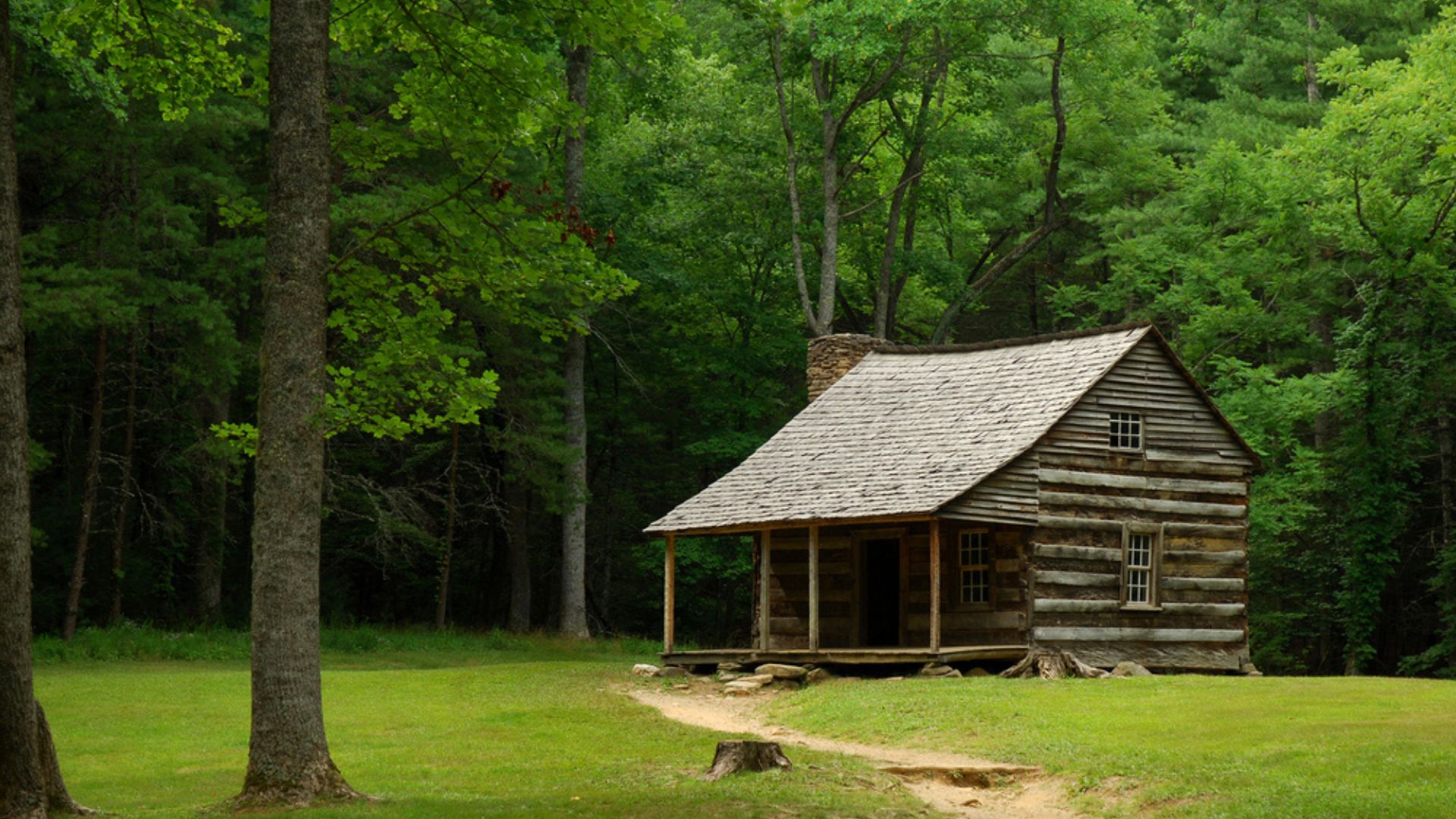
Of all the places to visit in Great Smoky Mountains National Park, none draws more visitors than Cades Cove. Cades Cove is the most popular destination in the entire Great Smoky Mountains National Park, bringing in millions of visitors every year. It's easy to understand why: an 11-mile loop road winds through a wide-open valley surrounded by ancient mountain ridges, passing restored pioneer homesteads, three historic churches, a working 19th-century grist mill, and meadows where black bears, white-tailed deer, and wild turkeys roam in full view.
Whether you're planning your first visit or your tenth, here are the eight best things to do in Cades Cove — along with everything you need to know before you go.
Before You Go: Essential Cades Cove Information
Hours: The Cades Cove Loop Road is open daily from 8 AM until sunset.
Wednesday closure (May–September): The Cades Cove Loop Road is closed to all vehicle traffic on Wednesdays from early May through late September. This provides bicyclists and pedestrians the opportunity to explore the Cove without vehicles. If you're driving, do not plan your visit on a Wednesday during these months — check before you go.
Parking: Parking costs $5 for the day — which some visitors find surprising since the park itself is free. Have cash or a credit card ready.
How long does it take? The Cades Cove Loop Road generally takes 3–4 hours to complete, but most visitors plan to spend a full day at Cades Cove. It's a one-way, single-lane road — once you're on, you're committed to the full loop.
Directions from Gatlinburg: Follow the Parkway through downtown Gatlinburg and enter the national park. Pass the Sugarlands Visitor Center on the right, then turn right onto Little River Road. Stay on Little River Road for about 25 miles until you reach the entrance to the Cades Cove Loop Road. Allow about an hour from Gatlinburg.
Directions from Pigeon Forge: Take the Wears Valley Road (US-321) through Townsend — the faster "secret entrance" that cuts through Townsend and avoids the Gatlinburg corridor entirely. This is the route locals prefer and can save significant time on a busy day.
1. Drive the 11-Mile Loop Road
Everything in Cades Cove starts here. The Cades Cove Loop winds for 11 miles through the Great Smoky Mountains National Park — a picturesque drive with a backdrop of mountain peaks and lush, rolling greens. When traveling the scenic loop road, plan to get out and visit the restored buildings that include three churches, log homes, cantilevered barns, and a working mill.
The loop is one-way and single-lane, which means traffic moves at a shared pace determined by the most leisurely vehicle ahead — and that's actually part of the charm. Slow down. Pull into the turnouts. Let the valley come to you.
The scenic driving tour takes approximately 2 to 4 hours depending on traffic. Because it's a single-lane road, be prepared to stop frequently — the slow pace makes it easy to enjoy the amazing mountain landscapes, wildflower meadows, and diverse wildlife.
Pro tip: Drive early in the morning or late afternoon for the best wildlife viewing and to avoid heavy traffic. Arriving at the 8 AM opening on a weekday morning puts you in the valley when the light is golden, the animals are active, and the crowds haven't yet arrived.
2. Spot Wildlife
Cades Cove is the single best place in all of Great Smoky Mountains National Park to see wildlife — and it's not particularly close. Unlike the dense forests that cover most of the park, Cades Cove is a wide-open space, so it's easier to see animals. Black bears, white-tailed deer, wild turkeys, groundhogs, coyotes, and dozens of bird species all move through the open meadows with regularity.
Many animals are most active in the evenings, but we recommend getting up and making your way to Cades Cove early in the morning for the best chances to see wildlife. Bears are particularly visible in late summer when berries are ripe, and again in fall during their pre-denning feeding frenzy.
Wildlife viewing tips:
- Bring binoculars — the meadows are wide and animals are often visible from a distance before you're close enough for a phone photo
- Keep your windows down as you drive — you'll hear turkeys and deer rustling in the grass before you see them
- Never approach or feed any wildlife; the 50-yard rule applies throughout the National Park
- If a bear stops traffic on the loop road, put the car in park and enjoy the moment — it happens more often than you'd think
3. Watch Cable Mill in Action
Europeans settled the Cades Cove area between 1818 and 1821. Today, visitors can enjoy the largest variety of historic buildings in the Great Smoky Mountains National Park. The centerpiece is Cable Mill — a fully operational water-powered grist mill built in the 1870s that still grinds corn and wheat into meal the same way it did 150 years ago.
Watch volunteers demonstrate the milling process, then purchase a bag of freshly-ground cornmeal to take home. It's the most authentic edible souvenir in the Smokies — made the exact same way Appalachian families made it for generations.
The Cades Cove Visitor Center sits adjacent to Cable Mill and is open year-round (except Christmas Day). Stop in for ranger-led programs, exhibits on Cove history, and trail maps for the hiking trails that begin from the loop.
4. Explore the Historic Structures
Dotted along the loop road are some of the most remarkably preserved pioneer structures anywhere in the American Southeast. Each one tells a story of the families who carved a life out of these mountains before the land became a national park.
John Oliver Cabin — The oldest human structure in the national park. Built by the first permanent white settler in Cades Cove, the hand-hewn log cabin has stood for nearly two centuries. The backdrop of the forested ridgeline makes it one of the most photographed spots in the entire park.
Three Historic Churches — Primitive Baptist Church (1887), Missionary Baptist Church (1915), and Methodist Church (1902) sit quietly along the loop road, each with its own adjoining cemetery. Walk among the tombstones of the Cove's founding families and read the names that appear again and again in Appalachian history — Oliver, Tipton, Gregory.
Tipton Place and other homesteads — Cantilevered barns, smokehouses, and log cabins are scattered throughout the loop, many with interpretive signs explaining their history. Budget extra time at each stop — these structures reward the visitors who slow down.
5. Hike to Abrams Falls
Abrams Falls is one of the most popular trails not just in Cades Cove but in the entire national park. The trailhead sits about halfway around the loop road, and the 5-mile round-trip hike follows Abrams Creek through dense hemlock forest before arriving at a 20-foot waterfall that drops into a wide, clear pool.
The falls themselves aren't particularly tall, but the sheer volume of water — Abrams Creek drains a massive watershed — makes the cascade genuinely thunderous and spectacular.
Trail details:
- Distance: 5 miles round-trip
- Difficulty: Moderate — some rocky terrain and creek crossings on stepping stones
- Time: Allow 2.5–3 hours
- Trailhead: Located approximately halfway around the Cades Cove Loop Road
Also worth noting: Rich Mountain Loop at 8.5 miles round-trip begins near the start of the loop road. Spring is a great time to explore this trail for wildflowers along the path.
6. Ride a Horse (or Take a Hayride)
See the Cove the way the first European settlers did. Cades Cove Riding Stables offers guided trail rides through the valley — no riding experience necessary — as well as hayrides for families and groups who want the experience without getting in the saddle.
Trail rides follow routes through the meadows and wooded edges of the Cove, with wranglers who double as unofficial historians, pointing out wildlife and historic landmarks along the way. It's a slower, quieter, more intimate way to experience Cades Cove than the loop road allows.
Good to know: The stables can be busy during summer and fall peak season. Book in advance if possible, especially for weekend visits.
7. Ride the Loop on Bike (Wednesdays, May–September)
The Cades Cove Loop Road is closed to all vehicle traffic on Wednesdays from early May through late September, providing bicyclists and pedestrians the opportunity to explore the Cove without vehicles.
Vehicle-Free Wednesday is one of the most magical ways to experience Cades Cove. The loop road falls nearly silent — just the sound of wind, birdsong, and the crunch of tires on pavement. Wildlife is bolder without the cars. The meadows feel wider. The whole valley slows down in the best possible way.
Bike rentals are available near the Cades Cove Campground on Wednesday mornings. The 11-mile loop is flat enough for most fitness levels, though allow 2–3 hours at a leisurely pace. Bring water, sunscreen, and a camera.
Note: If you plan to drive the loop, avoid Wednesdays in season — the road is closed to vehicles entirely.
8. Picnic in the Valley
Start the day by taking the self-guided auto tour, then stop for a picnic in a grassy area where you can observe the wildlife, and finish your day with a short hike or horseback ride through the Cove. The Cades Cove Picnic Area near the start of the loop road has plenty of tables, many with views of the creek.
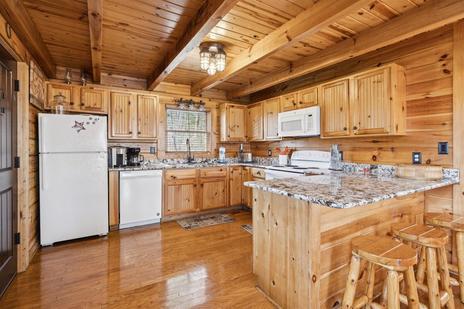
Pack a lunch from your cabin's full kitchen before you leave — it's one of the great simple pleasures of a Smoky Mountain vacation. Sandwiches, fruit, snacks, and a thermos of coffee go a long way at a picnic table in Cades Cove with a mountain backdrop. There's a small camp store near the picnic area for basics if you need to restock.
Tip: The picnic area fills up fast on summer weekends. Arrive early or plan your picnic for mid-loop, pulling into one of the many informal turnouts with valley views.
Seasonal Guide to Cades Cove
Spring (March–May): Wildflowers blanket the meadows and trail edges. Newborn wildlife — fawns, bear cubs, turkey chicks — begins appearing in May. Comfortable temperatures and lower crowds make this one of the best times to visit.
Summer (June–August): Peak season. Bears are actively foraging, deer are in the meadows, and the loop road is busiest. Arrive at 8 AM sharp on a weekday to beat the crowds. Wednesday bike days are in full effect.
Fall (September–November): The most spectacular season. Foliage peaks in mid-October with gold, orange, and crimson spreading across the mountain ridges surrounding the Cove. Bears enter hyperphagia (intense feeding before denning) and are frequently visible. Book your cabin early — this is the most in-demand season of the year.
Winter (December–February): Crowds thin dramatically. Snow dusts the meadows and historic structures in a scene that feels genuinely timeless. Be cautious of icy conditions in winter, which can slow travel significantly. Parson Branch Road and Rich Mountain Road are closed seasonally.
Frequently Asked Questions
Cades Cove is free to enter, but parking costs $5 for the day. If you're driving the loop without stopping, no parking fee applies. The National Park itself has no admission charge.
The loop road generally takes 3–4 hours to complete, but most visitors plan to spend a full day at Cades Cove. If you add Abrams Falls (2.5–3 hours round-trip), you're easily looking at a full day.
The Cades Cove Loop Road is open daily from 8 AM until sunset, year-round, weather permitting. Some secondary roads (Parson Branch Road, Rich Mountain Road) close seasonally.
The Cades Cove Loop Road is closed to all vehicle traffic on Wednesdays from early May through late September — bike and pedestrian access only on those days.
Exceptionally so. The loop road requires no hiking, the wildlife viewing is natural and exciting, the historic cabins and churches spark genuine curiosity, and the nature trail is flat and easy for small legs. Horseback and hayrides add a layer of adventure for older kids.
From Gatlinburg, expect a 32.5-mile route that takes just over an hour, with the main entrance reached via Laurel Creek Road.
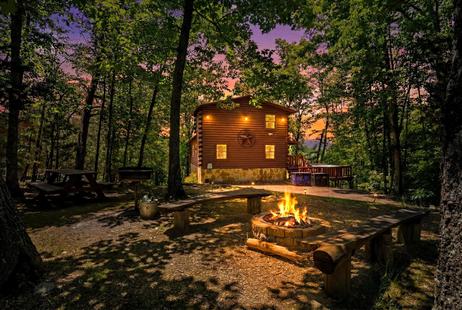
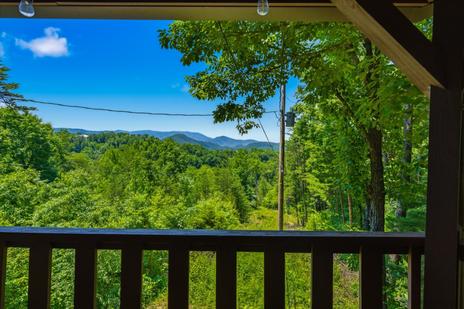
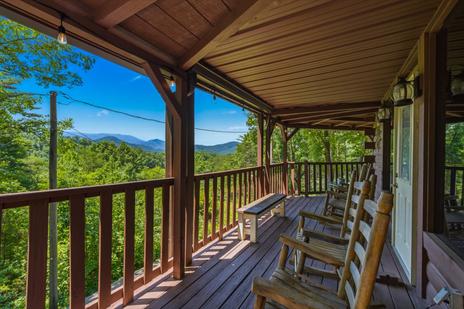
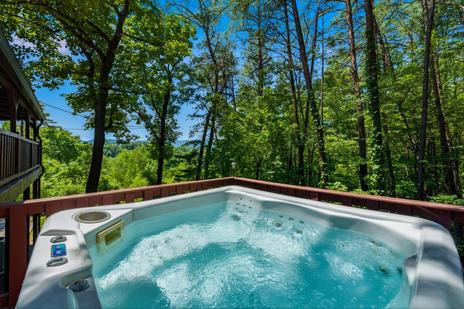
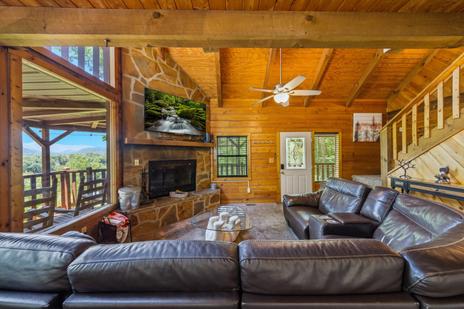
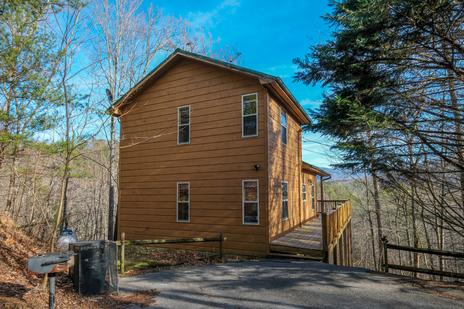
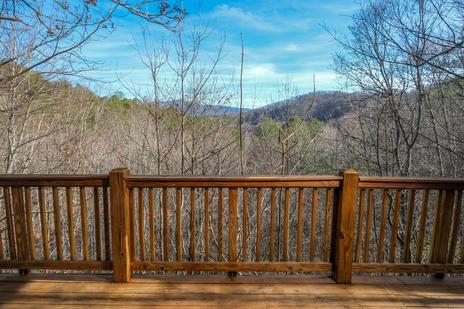
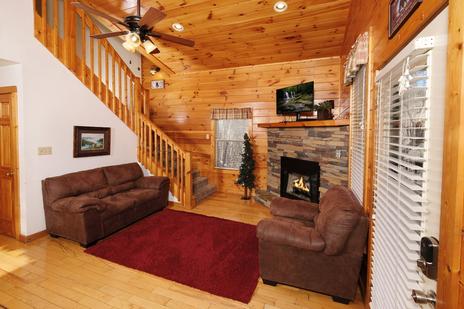
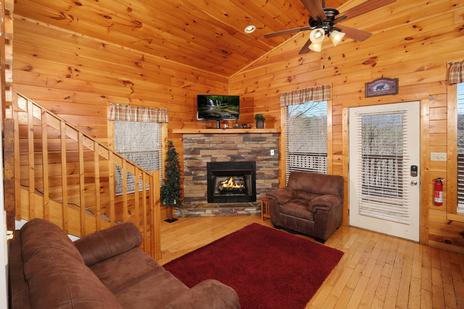
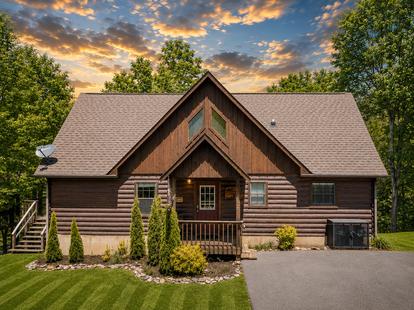
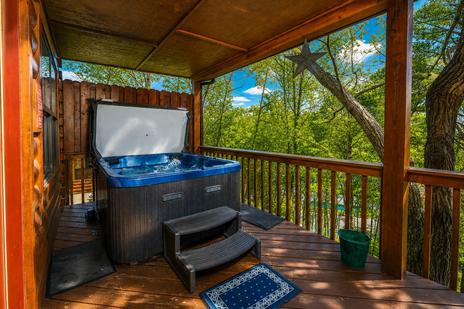
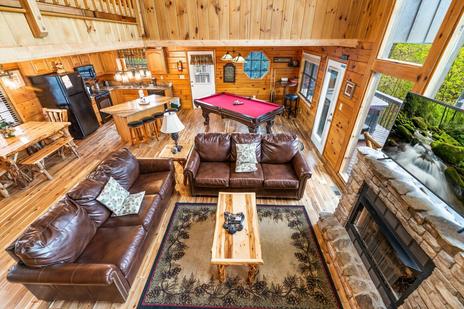
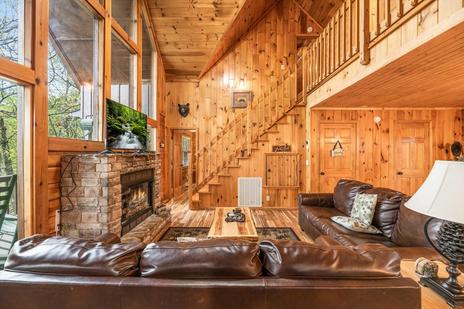
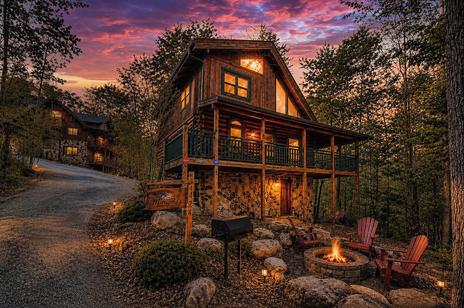
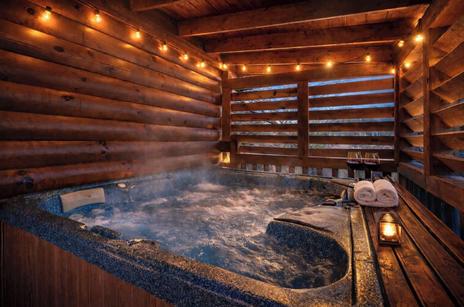
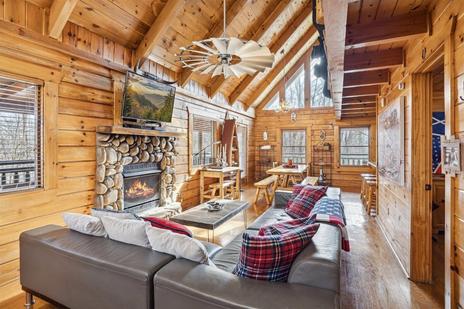
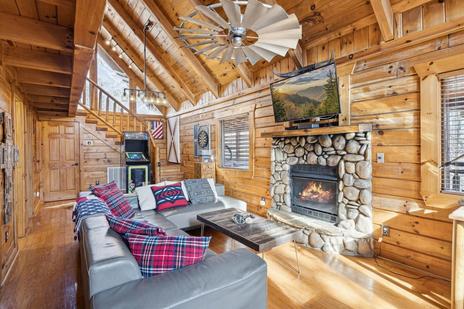
Cades Cove rewards multiple visits — once in spring for wildflowers, once in fall for foliage, once on a Wednesday morning with a bike. Staying in a Smoky Mountain cabin rental puts you just an hour from the Cove's entrance, with a private kitchen to pack picnic lunches, a covered deck to decompress on after a long day, and the kind of mountain setting that makes every evening feel like an extension of the park itself.
Browse Cades Cove Cabins → | Browse Cabins Near the National Park → | Browse All Smoky Mountain Cabins →