A Guide to the Wildflowers of the Smoky Mountains
Published Feb 11, 2023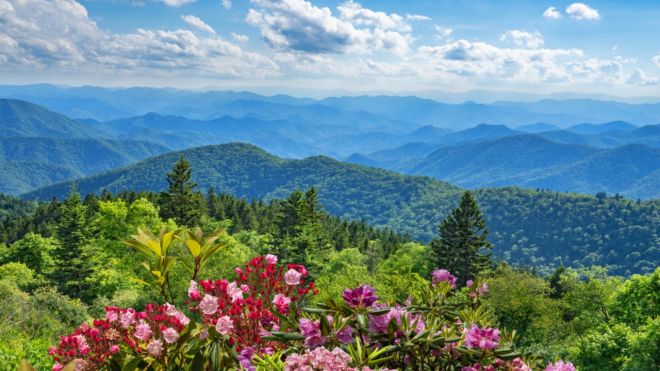
Great Smoky Mountains National Park earns its informal designation as the "Wildflower National Park" — over 1,500 species of flowering plants grow within the park's boundaries, more than in any other national park in the country. The spring and early summer wildflower display is one of the most spectacular in the eastern United States. Here are six species that define the Smokies' floral calendar and where to find them.
Trillium
Trillium is the signature wildflower of spring in the Smokies — a three-petaled bloom that carpets forest floors in white, pink, and deep purple from late March through May. The Smokies support multiple trillium species, with large-flowered trillium (white) and wake-robin (deep red-maroon) being the most common. Trilliums grow in the rich, moist cove hardwood forests that characterize the lower and middle elevations of the park, and they appear in remarkable concentrations — entire hillsides blanketed in white bloom are a characteristic spring sight. Porters Creek Trail in the Greenbrier area and the lower sections of the Alum Cave Trail are among the most reliable trillium hikes in the park. Wildflower pilgrimage season, typically mid-April, is when concentrations peak.
Mountain Laurel
Mountain laurel's bloom season bridges late spring and early summer — typically mid-May through mid-June — filling the understory of oak and pine forests with dense clusters of pink-to-white blossoms. Mountain laurel is an evergreen shrub that tolerates dry, acidic ridge soils where other flowering plants struggle, so it's particularly visible along exposed ridge trails and on the drier slopes of the park's mid-elevation forests. The Roaring Fork Motor Nature Trail offers accessible mountain laurel viewing from the car. The Appalachian Trail sections along the park's high ridges also display mountain laurel in season.
Rosebay Rhododendron
The Smokies have two distinct rhododendron species with different bloom seasons. Rosebay rhododendron — the large-leafed variety common along mountain streams and in moist hollows — blooms white in June and July, creating tunnels of arching branches over creek-side trails. The rhododendron thickets along the Alum Cave Trail and the Lynn Camp Prong sections of the park are notable examples. Rosebay rhododendron is at its best in the lower and mid-elevation drainages where it has access to consistent moisture from streams and waterfalls.
Catawba Rhododendron
The Catawba rhododendron is a different species from the rosebay — it grows at higher elevations on exposed balds and ridge crests, blooms in showy purple-pink clusters in late May and June, and creates some of the most dramatic floral displays in the park. Gregory Bald and Andrews Bald are the two most celebrated Catawba rhododendron destinations in the Smokies, with both balds erupting in color during peak bloom. The drive along Kuwohi Road (formerly Clingmans Dome Road) offers roadside Catawba rhododendron viewing in late May and June without a long hike. Bloom timing varies by elevation and year — higher balds generally peak one to two weeks later than the roadsides.
Fire Pink
Fire pink is one of the most visually striking wildflowers in the Smokies — a slender-stemmed plant with five-petaled scarlet blooms that appear along rocky outcrops, woodland edges, and dry ridge trails from late April through June. The color is genuine fire-engine red rather than pink despite the common name, and the blooms are tubular in form — adapted for hummingbird pollination. Fire pink favors the drier, rockier microhabitats of the park: the Chimney Tops Trail and Gregory Bald Trail both offer reliable fire pink sightings in season. Because it grows in spots other wildflowers avoid, it's often visible in isolated patches rather than the mass carpets associated with trillium or rhododendron.
Indian Paintbrush
Indian paintbrush — with its vivid red-orange bracts that appear to have been dipped in paint — blooms in open meadows, grassy balds, and along the Appalachian Trail in late spring and early summer. It's less common than trillium or rhododendron but unmistakable when you encounter it. The Rich Mountain Loop Trail and the grassy balds accessible from the Appalachian Trail along the park's high ridges are among the best places to find Indian paintbrush. It tends to grow in clusters where meadow conditions allow enough sun exposure — the same open balds that host Catawba rhododendron often also have Indian paintbrush in the surrounding grassy areas.
Frequently asked questions
When is the best time to see wildflowers in the Smoky Mountains?
Peak wildflower season in the Smokies runs from mid-March through early June, with different species peaking at different elevations and times. Trillium and other spring ephemerals peak in mid-April at lower elevations (below 3,000 feet). Mountain laurel peaks in mid-May. Catawba rhododendron on the high balds peaks in late May to mid-June. The National Park Service hosts a Wildflower Pilgrimage each April — typically the last week of April — that draws botanists and wildflower enthusiasts from across the country and includes guided hikes, workshops, and walks timed to peak bloom.
What trails are best for wildflower viewing in the Smokies?
For spring ephemerals and trillium: Porters Creek Trail in Greenbrier, the Alum Cave Trail lower section, and the Cucumber Gap Trail near Elkmont. For mountain laurel: the Appalachian Trail ridge sections and Roaring Fork Motor Nature Trail. For Catawba rhododendron: the Gregory Bald and Andrews Bald trails, and roadsides along Kuwohi Road. For mixed wildflower variety: the Alum Cave Trail covers multiple elevation zones and bloom periods across a single hike.
Can I pick wildflowers in Great Smoky Mountains National Park?
No — picking, collecting, or disturbing any plant in Great Smoky Mountains National Park is prohibited by federal regulation. This applies to all species, including common wildflowers. The prohibition exists because concentrated visitor pressure in high-bloom areas can quickly degrade populations that have taken years to establish. Photograph, observe, and leave every plant where it grows.
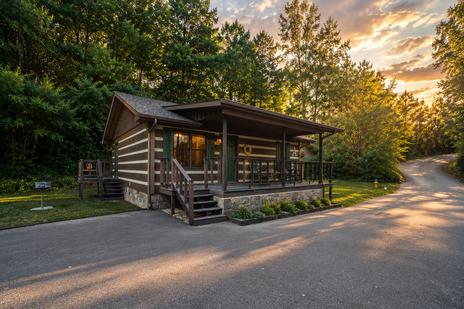
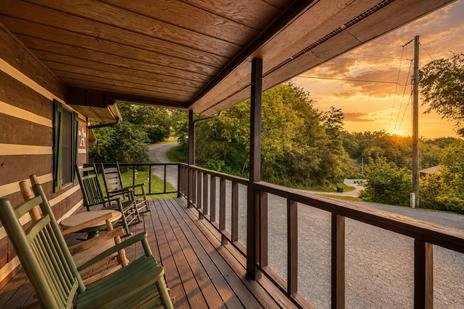
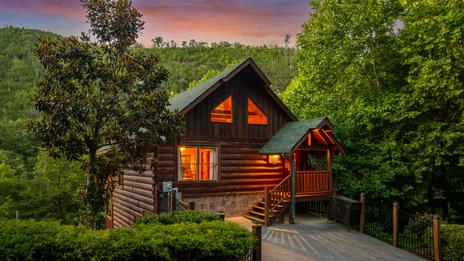
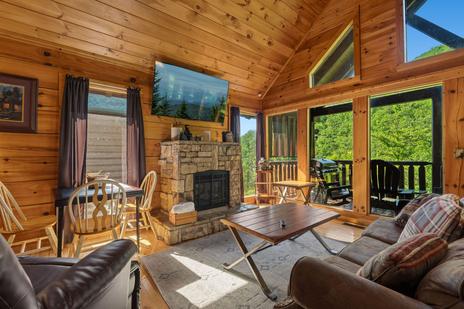
A Wears Valley cabin rental provides easy western park access for wildflower season — close to Cades Cove, Porters Creek, and the Townsend entrance.