

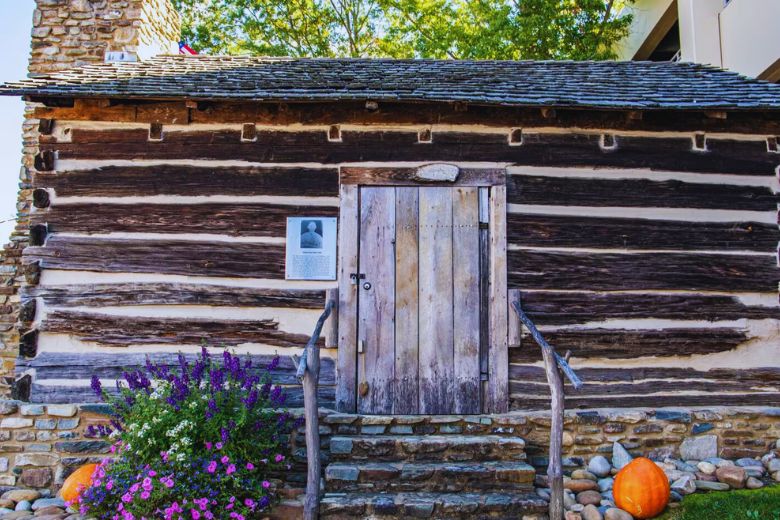
Gatlinburg is best known for its stunning mountain views, lively downtown, and family-friendly attractions—but it’s also a place with a rich history rooted in Appalachian culture. From preserved homesteads to churches and mills, Gatlinburg offers visitors the chance to step back in time and see what life was like in the Smokies long before it became a tourist destination. Here are some of the most notable historical sites in Gatlinburg.
Ogle Cabin
The Ogle Cabin, built in the early 1800s, is often considered Gatlinburg’s very first log cabin. Constructed by William Ogle and later completed by his wife, Martha Jane Huskey Ogle, it still stands today as a symbol of the pioneer spirit. You can visit the cabin near the Gatlinburg Welcome Center and see firsthand how the earliest settlers lived.
Noah “Bud” Ogle Cabin
Located along the Roaring Fork Motor Nature Trail, the Bud Ogle Cabin is a preserved homestead that includes a cabin, barn, and tub mill. Visitors can walk the nature trail and explore this authentic piece of Smoky Mountain history, which showcases the lifestyle of self-sufficient farmers in the 19th century.
Little Greenbrier School and Walker Sisters Place
Just outside Gatlinburg, in the Greenbrier section of the Smokies, stands the Little Greenbrier School, built in 1882. This one-room schoolhouse also served as a church for local families. Nearby is the Walker Sisters Place, home to the five Walker sisters who famously lived a traditional mountain lifestyle well into the mid-20th century, even after the creation of the national park.
Historic Old Mill District (Nearby in Pigeon Forge)
While technically just down the road in Pigeon Forge, the Old Mill is a must-see for history lovers staying in Gatlinburg. Built in 1830, the mill is still in operation today and is listed on the National Register of Historic Places. Visitors can see the massive water wheel in action and enjoy fresh meals and baked goods crafted with stone-ground grains.
Historic Churches and Cemeteries
Scattered throughout Gatlinburg and the national park are historic churches and cemeteries that tell the stories of early Appalachian settlers. Many of these can be seen along Cades Cove or the Roaring Fork loop, where small congregations once gathered and families carved out a living in the mountains.
Make history part of your Smoky Mountain adventure—book a cabin in Gatlinburg and stay close to the landmarks that shaped the region.