10 Things to Know Before Buying a Cabin Rental
Published Jun 26, 2022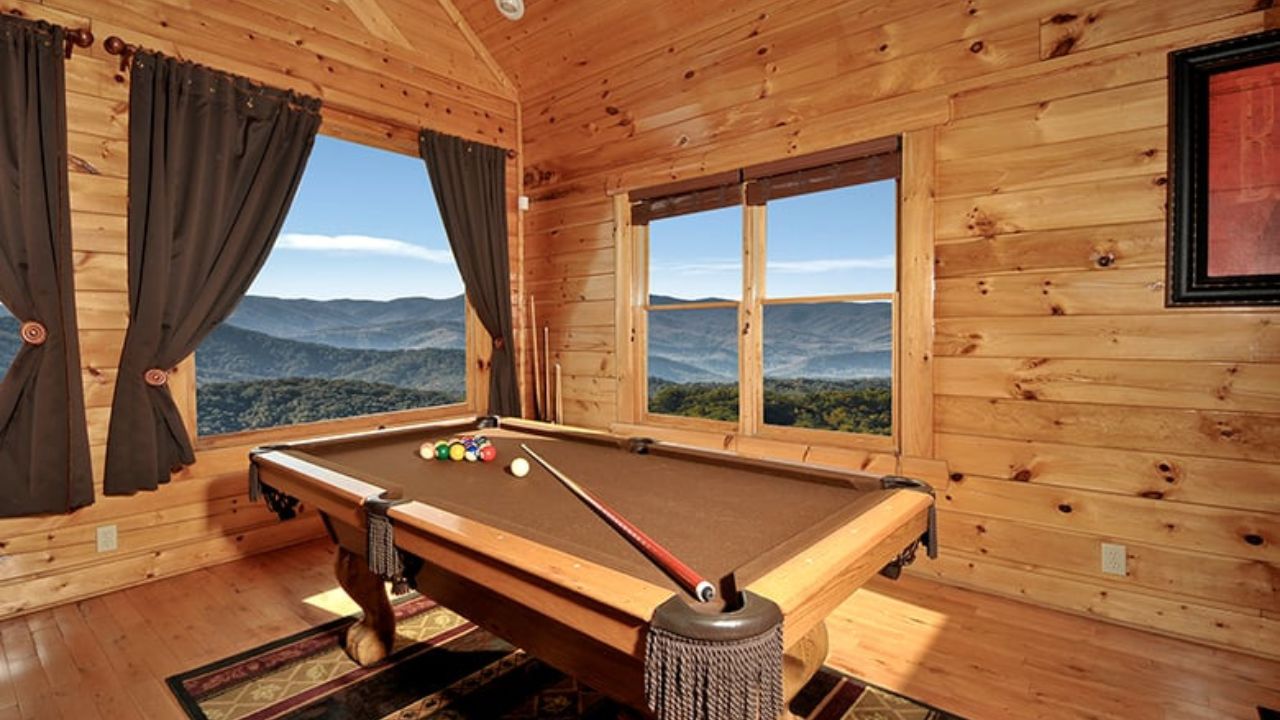
Buying a Smoky Mountain cabin rental can be a rewarding investment — but it's a real decision with a lot of moving parts, and the owners who do well are the ones who go in informed. Before you make an offer, there are ten things worth understanding, from location and financing to what the property will actually cost and earn. Here's the pre-purchase checklist, with a link to a deeper guide on each point so you can dig in wherever you need to.
The 10 things to know before you buy
1. Location is everything
The single biggest driver of a cabin's performance. Weigh proximity to attractions and the national park, scenic views, road access (including winter access on steep mountain drives), and rental demand for the specific area. A great cabin in a weak spot underperforms; the right location is the foundation everything else builds on. Our post on whether a Gatlinburg cabin is a good investment covers why this market's location fundamentals are strong.
2. Zoning, permits, and regulations
Before you buy, confirm the property can legally operate as a short-term rental — check local zoning, overlay districts, HOA rules, and permit/licensing requirements, which continue to evolve. This is also where property-tax classification comes in: converting to a rental can trigger a reassessment. See our guide to property tax reassessment after converting to a rental, and confirm current rules with local authorities.
3. Market research and rental demand
Understand real demand before you buy: occupancy rates, average nightly rates, and peak seasons for comparable cabins in the area. This is the antidote to optimistic guesswork — and it ties directly to which size and type of cabin will actually perform. See choosing the right cabin size for demand.
4. A realistic total budget
Budget for far more than the purchase price — closing costs, furnishing and getting rental-ready, ongoing maintenance, property taxes, insurance, utilities, cleaning, and management fees all belong in the math. Underestimating these is the most common first-timer mistake. Our full breakdown is in understanding your operating expenses.
5. Financing options
Explore the financing that fits — conventional mortgages, investment-property or vacation-rental loans, or home-equity options — ideally with a lender experienced in vacation-rental financing. How you finance shapes your cash-on-cash return significantly, and it connects to later moves like refinancing.
6. Run the ROI — on a net basis
Before you commit, crunch the numbers: realistic rental income minus all expenses, against your total investment. Don't judge a cabin by its gross revenue. See what counts as a good return and what first-time buyers get wrong about rental income for how to model it honestly. (This is educational, not investment advice — consult a financial professional on your specific numbers.)
7. How you'll manage it
Decide up front whether you'll self-manage or hire a professional manager — it affects your time, your returns, and even which cabin makes sense to buy. Our guide to full-service management lays out the trade-off, and choosing a manager before you close explains why this decision belongs before the purchase, not after.
8. Amenities that drive bookings
The features guests actually book for — hot tubs, game rooms, mountain views, fire pits — command higher rates and occupancy, while others deliver little. Factor the amenity investment (and its upkeep) into your buying decision. See features that wow guests.
9. Tax implications
Owning a rental changes your tax picture — potential deductions for mortgage interest, property taxes, and depreciation, plus how rental income is treated. These can meaningfully affect your after-tax return, but they're specific to your situation, so consult a CPA before buying rather than relying on general rules.
10. The right management partner
Finally, the partner you choose to run the cabin shapes its return as much as the purchase itself. Evaluate a manager's marketing reach, operations, and track record — see how to evaluate a manager's marketing reach and questions to ask their references. Involving a local manager early can even help you choose the right cabin in the first place.
The thread through all ten
Notice what connects these: a cabin's success isn't decided at closing — it's shaped by buying the right property, in the right location, at the right price, and running it well. Location, demand, budget, and amenities set the ceiling; management determines how much of that ceiling you actually reach. The buyers who succeed treat all ten of these as one connected decision, not a series of afterthoughts.
The most valuable move a prospective buyer can make is to bring a local expert in early. A management company that runs comparable cabins can give you real demand data, a realistic revenue-and-cost picture, and guidance on which property will actually perform — before you make an offer. If you're weighing a Smoky Mountain cabin purchase, see what a cabin could earn with real local numbers behind it, or learn more about professional cabin management.
Frequently asked questions
What should I know before buying a cabin rental?
Ten key things: location, zoning/permit rules, real rental demand, a realistic total budget, financing options, net ROI, how you'll manage it, the amenities that drive bookings, tax implications, and the management partner you choose. Each shapes the investment, and they're best considered together — ideally with input from a local expert before you make an offer.
What's the most important factor when buying a cabin rental?
Location leads — proximity to attractions and the park, views, access, and demand set the ceiling for a cabin's performance. But how the cabin is run (pricing, marketing, guest experience) determines how much of that potential you realize, so location and management together are what make or break the return.
How much does a cabin rental cost to own beyond the purchase price?
Substantially more — closing costs, furnishing and rental-ready setup, maintenance, property taxes (which can rise on conversion to a rental), insurance, utilities, cleaning, and management fees. Budget on a full net basis rather than the sticker price; underestimating these is the most common first-timer mistake.
Should I hire a management company when buying a cabin?
It's worth deciding before you buy. A professional manager affects your time, returns, and even which cabin makes sense — and a local manager brought in early can provide realistic revenue projections and help you choose a property that performs. Whether you self-manage or hire out, factor management into your plan from the start.
Do I need to check zoning before buying a cabin rental?
Yes — confirm the property can legally operate as a short-term rental under local zoning, HOA rules, and permit/licensing requirements, which are evolving. Also understand that converting to a rental can change the property's tax classification. Verify current rules with local authorities before you commit.
Buying informed is how a cabin becomes a great investment instead of an expensive surprise. Colonial Properties helps prospective buyers understand what a cabin will really earn and cost — before they buy — and manages it for maximum return after. See what your cabin could earn. (For advice specific to your finances, consult a CPA or financial advisor.)