Smoky Mountain Ghost Stories
Published Mar 6, 2023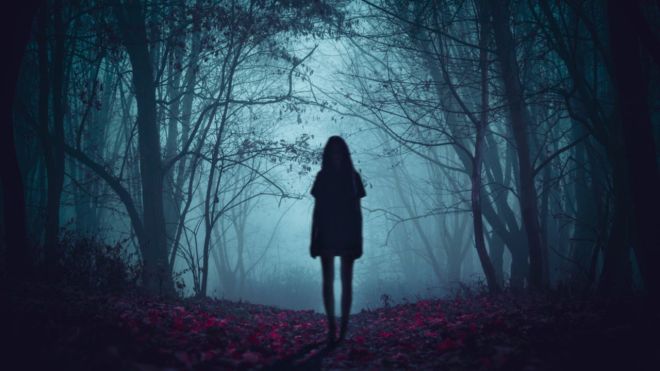
The Smoky Mountains were settled by isolated mountain families for generations before the national park arrived. That isolation produced its share of tragedies — and its share of stories. These four have circulated through the region long enough to qualify as genuine local folklore.
Lucy of Roaring Fork
In the early 1900s, the route that is now the Roaring Fork Motor Nature Trail was a narrow mountain path — one of the few ways through this part of the Smokies. According to the story, a horseman traveling the trail after dark encountered a young woman walking barefoot along the road. He offered her a ride; she accepted, telling him her name was Lucy. She directed him to her family's cabin and he left her there, having fallen in love during the ride.
The next morning he returned to ask for her hand. Her parents met him at the door — stunned, they told him their daughter Lucy had died in a fire the previous year. The cabin matched the one she'd described. The horseman had ridden with her in the moonlight, but she had been dead for twelve months.
Locals say Lucy still walks the Roaring Fork corridor, particularly near twilight — barefoot, looking for a way home that no longer exists. She's one of the most persistently told ghost stories in the Gatlinburg area, and the winding, forested character of Roaring Fork Road gives the story a certain plausibility on a dark evening.
The Greenbrier Ghost Bride
In the 1930s, when the building that now houses The Greenbrier Restaurant on the Gatlinburg Parkway operated as a guest lodge, a young woman named Lydia checked in the night before her wedding. The next morning, her fiancé did not appear. He didn't come the following day either. As the hours stretched past any reasonable explanation, Lydia understood that he wasn't coming at all.
She did not leave the building. The story holds that Lydia hanged herself in the lodge, still wearing her wedding dress. Whether you accept that part of the story or not, staff and visitors at The Greenbrier have reported hearing what sounds like a woman crying in the building — sometimes near the wooden beam in the dining room that is said to still carry the rope's mark. The restaurant has leaned into the legend; Lydia is as much a part of The Greenbrier's identity as the menu. Ghost tours of the Gatlinburg area typically include the restaurant as a stop.
The Glowing Orbs of Cades Cove
Cades Cove is famous by day — the 11-mile loop road through one of the most historically intact 19th-century communities in the Appalachians, with original log cabins, barns, churches, and grist mills preserved in place. What makes the cove distinct from most heritage sites is that it was lived in, generation after generation, and the families buried their dead close to home. There are small family graveyards scattered throughout the cove — a handful of stones in a clearing, easy to miss from the car — and two church graveyards with dozens of burials from the 18th and 19th centuries.
After the last cars leave and the loop road quiets, the people who stay too late occasionally report seeing balls of soft light hovering at low elevation over the graveyards — moving slowly, without a clear source. The phenomenon is attributed variously to natural gas discharge from organic matter, to bioluminescence, or to the spirits of the cove's original inhabitants, depending on who's explaining it. The glowing orbs of Cades Cove have been reported consistently enough that they've become part of the cove's identity alongside the wildlife and the homesteads.
Elkmont Ghost Town
Elkmont is not a legend — it's a real place inside the national park, accessible via the Elkmont campground road off Little River Road. In the early 20th century it was a logging camp; by the 1910s, wealthy Knoxville families had built vacation clubs and summer cottages there. For two decades it was a thriving private resort community deep in the mountains.
When the national park was established in the 1930s, Elkmont's residents were eventually required to leave. Most of the structures were left standing. Decades of abandonment in the humid mountain forest environment produced exactly what you'd expect — sagging porches, collapsed rooflines, interiors open to the weather — and the cluster of decaying cottages in the forest earned Elkmont its reputation as a ghost town. The adjacent Elkmont Cemetery, where several early residents are buried, became known for a local practice: visitors used to place white quartz stones on the graves, reportedly to keep the dead at peace. The national park has since restored several of the historic structures. But the atmosphere of the place — dense forest, the sound of the river, the remnants of a community that chose not to leave quietly — holds whatever quality makes some places feel genuinely haunted.
Frequently asked questions
Are there ghost tours in Gatlinburg?
Yes — several ghost tour operators run walking tours of downtown Gatlinburg, typically visiting the Greenbrier Restaurant and other historic Parkway locations with associated stories. Search "Gatlinburg ghost tour" for current operators and schedules; tours are most active in fall around Halloween but run throughout the year.
Can I visit Elkmont?
Yes — Elkmont is accessible via the campground road off Little River Road inside the national park. The historic district with the preserved and partially restored cottages is open to visitors. The Elkmont campground is one of the most popular in the park and can be reserved at recreation.gov. A Park It Forward parking tag is required for vehicles parked inside the park.
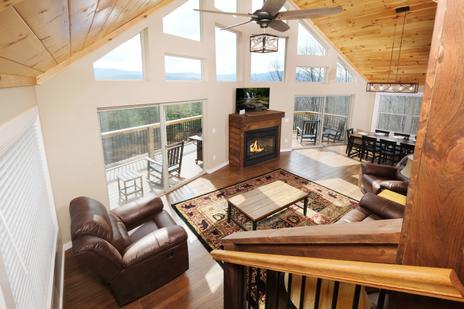
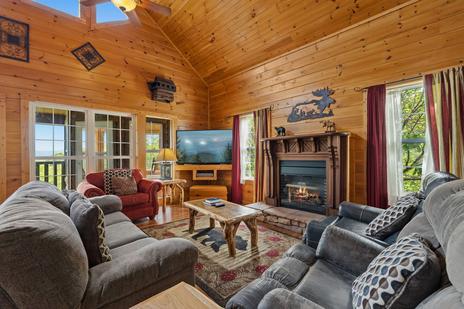
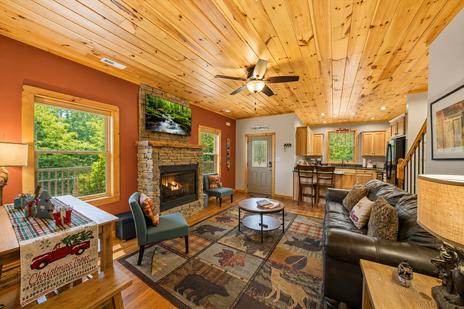
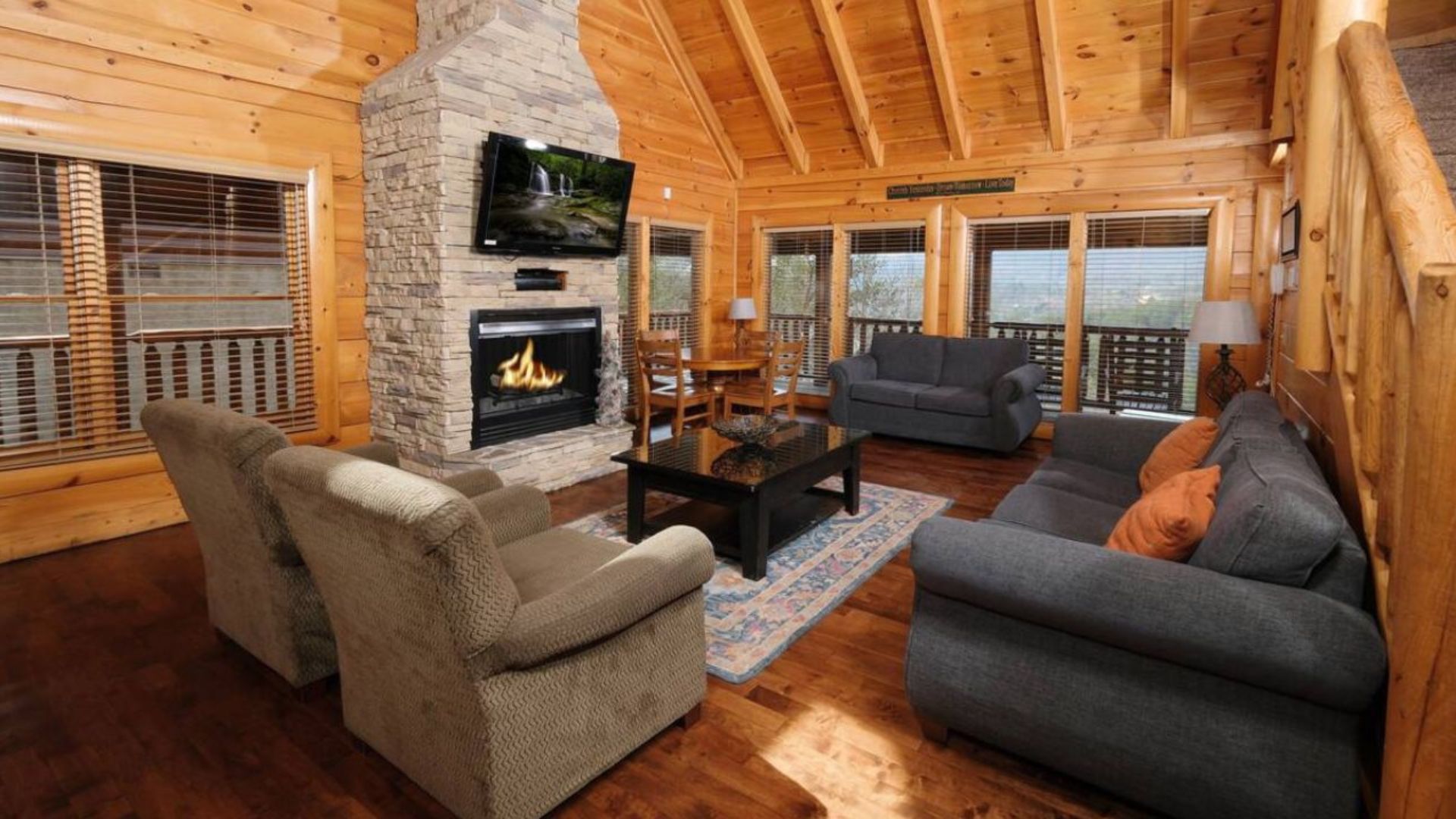
Tell ghost stories by the fire at a fireplace cabin after visiting these spots — the best way to end a Smokies evening.